
Adult Speech Pathology · Sydney
How Long Does Speech Therapy Take After a Stroke? Sydney
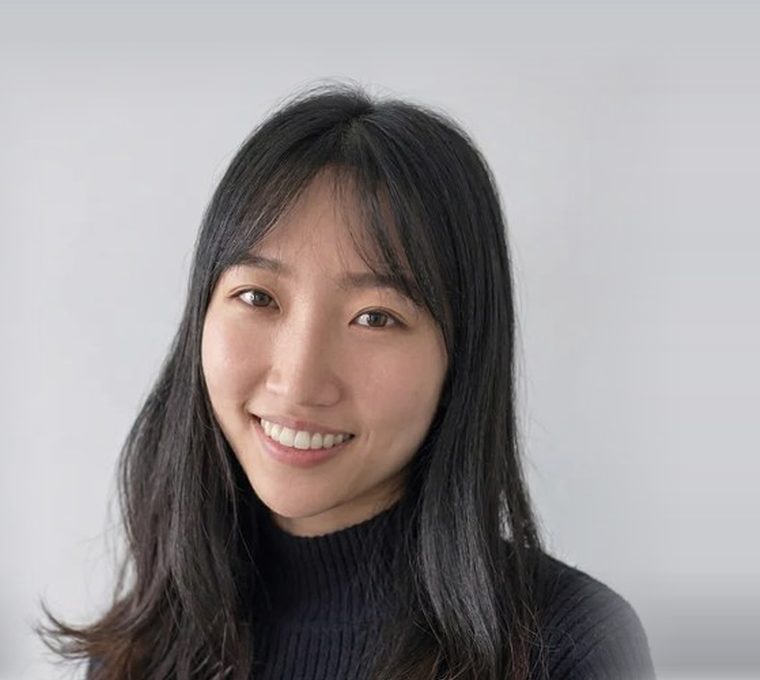
I'm Shine, a Certified Practising Speech Pathologist based in Arncliffe. Families often ask me how long speech therapy will take after a stroke. The honest answer is that it depends, but there are clear patterns, and knowing them helps you plan.
- Home visits after hospital
- Telehealth available
- English and Mandarin
- Funding accepted
- NDIS plan-managedNDIS self-managedMedicare CDMDVA Gold & White CardHome Care PackagePrivate pay
What does speech recovery look like after a stroke?
Recovery is not a straight line, but it often follows three stages:
- The first weeks. In hospital, the brain settles and swelling goes down. Some speech and language comes back quickly on its own. Hospital speech pathologists assess and start early therapy.
- The first three to six months. Usually the period of fastest change. This is when regular, focused therapy tends to bring the biggest gains, often in rehabilitation and then at home.
- After six months. Progress usually slows but does not stop. People with aphasia keep improving for years when they keep practising and using language in real life.
The Stroke Foundation fact sheet on communication after stroke describes these changes, and the Speech Pathology Australia stroke fact sheet explains the different communication problems a stroke can cause.
What affects how long therapy takes?
- The size and place of the stroke. Larger strokes, or strokes in the main language areas of the brain, usually mean a longer road.
- The type of difficulty. Aphasia (trouble with words), dysarthria (slurred speech) and apraxia (trouble planning mouth movements) recover at different rates.
- How much practice happens. Therapy works best in concentrated blocks, with daily practice between sessions.
- General health, fatigue, mood and other conditions.
- Support at home. Family members who know the strategies make every conversation a practice session.
How often are speech therapy sessions after a stroke?
Early on, more is better. Australian stroke guidelines encourage intensive therapy, which can mean several sessions a week in the early months. At home, I usually start with one or two sessions a week, each 45 to 60 minutes, plus a short daily practice plan. As goals are met, sessions spread out to fortnightly or monthly check-ins.
We set goals together that matter in daily life, such as phoning a grandchild, ordering coffee or managing appointments, and review them every 10 to 12 sessions. My speech therapy after stroke service runs at home across Sydney or by video.
Is it too late for speech therapy years after a stroke?
No. The brain keeps the ability to change long after the first months. Adults with aphasia make measurable progress years after a stroke when therapy is focused and practice is regular. The Australian Aphasia Association has stories and support groups for people living with aphasia long term.
Later therapy often shifts from rebuilding skills to living well: using a communication book or app, getting back to a hobby or club, and training family members so conversations flow more easily.
What can family do between speech therapy sessions?
Sessions are where new skills are taught. The days in between are where they grow. Simple ways family can help:
- Slow down and wait. Give time for words to come rather than finishing sentences straight away.
- Use short, clear sentences and one question at a time, with fewer distractions in the room.
- Offer choices such as "tea or coffee?" when finding words is hard, and accept pointing, writing or gesture.
- Keep up real conversation about family, news and interests, not only practice drills.
- Watch for fatigue. Talking is hard work after a stroke. Short, regular practice beats one long session.
I write a short home plan after each session, so everyone knows what to practise and how. Family members are welcome to sit in, ask questions and try the strategies with me there, which is often the quickest way to feel confident at home.
How is long-term stroke speech therapy funded?
Many adults use a mix: a GP plan with Medicare rebates for up to five sessions a year, private health extras, a Home Care Package or DVA card for those eligible, and NDIS funding for people under 65 at the time of application. No referral is needed to start privately.
Questions about stroke speech recovery
Make an enquiryWill my speech come back completely after a stroke?
How soon after a stroke should speech therapy start?
Is therapy at home as good as in a clinic?
Can family members help with recovery?
What if progress stops?
Where is Shine and Speak based?
Shine and Speak is based at 213 Princes Hwy, Arncliffe. I see children, teenagers and adults at home, at school and in the community across the Inner West, St George and Canterbury-Bankstown, and by video.
Related services
Back to all speech pathology services in Sydney, or see Shine and Speak's home page.
Ready to get started?
No referral needed. Book a free 15-minute discovery call and we will work out whether an assessment makes sense.