
Adult Speech Pathology · Sydney
Aphasia Therapy in Sydney
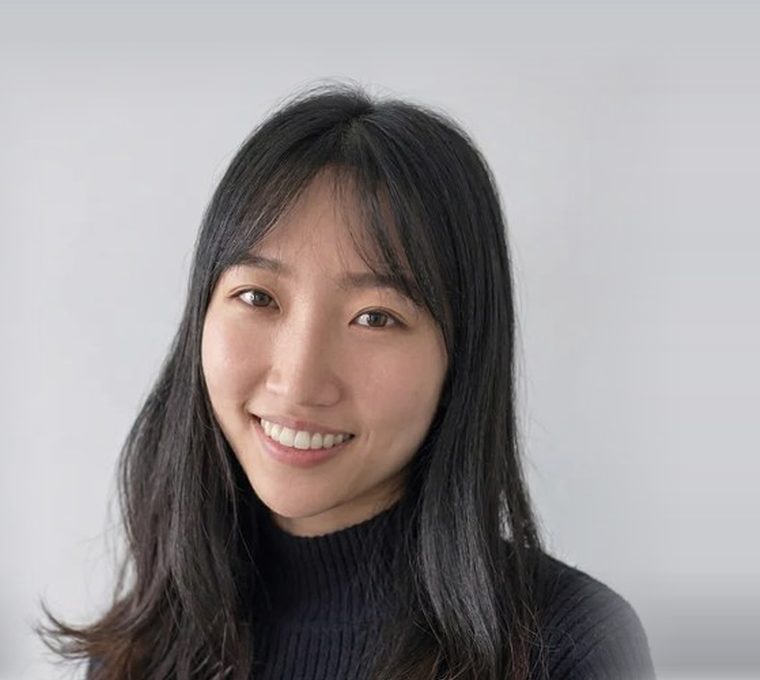
I'm Shine, a Certified Practising Speech Pathologist based in Arncliffe. Aphasia makes words hard to find, say, follow, read or write, while the person's thinking stays the same. I work with adults and their families at home within 30 km of Arncliffe, or by video, to make everyday conversation work again.
- Families welcome in sessions
- Home visits or video
- Therapy in English or Mandarin
- Funding accepted
- NDIS plan-managedNDIS self-managedMedicare CDMDVA Gold & White CardHome Care PackagePrivate pay
What is aphasia?
Aphasia is a language difficulty caused by damage to the parts of the brain that handle language. It can make it hard to find the right word, build a sentence, understand what others say, or read and write. The person still knows exactly what they mean. As the Speech Pathology Australia aphasia fact sheet puts it, aphasia does not affect intelligence.
No two people have the same aphasia. One person mostly loses nouns and names. Another speaks in long, fluent sentences that do not quite make sense. A third understands a chat over coffee but cannot follow the news or a letter from the bank. That is why I start by mapping what is hard and what still works well.
Stroke is the most common cause. Aphasia also follows brain injury, brain tumours and some neurological conditions. If a stroke was the cause, my page on therapy after a stroke covers the other changes it can bring.
Can aphasia get better?
Yes, for most people. Language often improves fastest in the first months, and with steady therapy many people keep improving for years. How far someone goes depends on the injury, their general health and how much practice happens, so I never promise a full recovery. I do set goals we can measure, so the person and their family can see the change for themselves.
There is one exception. Primary progressive aphasia is a form of dementia, and it slowly gets worse rather than better. Therapy still has a real role there: we set up strategies and supports while language is stronger, so conversation keeps going for as long as possible. My page on telling aphasia and dementia apart explains the difference.
What does aphasia therapy involve?
Sessions work on two fronts at once: rebuilding language, and finding ways around what is still hard.
- Word finding. Structured practice naming, describing and using the words that matter in this person's life: family names, places, hobbies, the items on the shopping list.
- Understanding. Following longer sentences, phone calls and conversations with more than one person.
- Reading and writing. Texts, emails, forms, menus and the newspaper, at whatever level is useful now.
- Practised scripts. Lines for situations that come up often, such as booking an appointment or introducing yourself, rehearsed until they flow.
- Other routes. Gesture, drawing, writing key words, a communication book or a tablet app, so one blocked word no longer stops the whole conversation.
Because I come to the house, practice uses the person's own phone, their own photos and the real people they talk to, which makes it far more likely that gains carry over into daily life. Aphasia therapy sits within my speech therapy for adults across Sydney, which also covers slurred speech, voice and stuttering.
How can family help someone with aphasia?
The people at home talk with the person far more than I ever will, so I coach them too. Small changes in how the family talks make a big difference:
- Give time. Wait for the word instead of jumping in, and ask before finishing a sentence.
- Keep sentences short, with one idea and one topic at a time.
- When a word is stuck, ask questions with a yes or no answer.
- Write down key words, or point to a photo, a map or the calendar.
- Turn the TV off when you want to talk.
- Talk with the person, never about them as if they were not there.
Aphasia can be lonely, and low mood is common. The Australian Aphasia Association lists support groups, in person and online, where people with aphasia and their families meet others who understand.
Can aphasia affect two languages differently?
Yes. In someone who speaks two languages, aphasia can affect each one in its own way. Some people get one language back first. Others start mixing the two in a way they never did before, or find that the language they used at work has become the harder one.
I speak English and Mandarin, so I can assess both and run therapy in the language the family uses most, or in both. Testing a Mandarin speaker only in English can make their aphasia look worse than it is, and miss the skills that are still strong.
Sessions happen at home anywhere within 30 km of Arncliffe. Once the first assessment is done, many people switch some or all sessions to video telehealth, which saves energy on tired days.
How is aphasia therapy funded?
No referral is needed to book. Adults with aphasia usually fund therapy in one of these ways:
- A GP Chronic Disease Management plan, which brings a Medicare rebate for speech therapy on up to five allied health sessions a year.
- An older adult's Home Care Package, arranged with their care coordinator.
- Veterans funding through DVA for Gold and White Card holders.
- An NDIS plan that is plan-managed or self-managed.
- Private health insurance extras, or paying privately.
Aphasia therapy questions
Make an enquiryIs aphasia a form of dementia?
Can someone with aphasia still use the phone?
How often are aphasia therapy sessions?
Can aphasia therapy be done in Mandarin?
Who can make the first call?
Where is Shine and Speak based?
Shine and Speak is based at 213 Princes Hwy, Arncliffe. Aphasia therapy happens in clients' homes across the Inner West, St George and Canterbury-Bankstown, or by video.
Related services
Back to all speech pathology services in Sydney, or see Shine and Speak's home page.
Ready to get started?
No referral needed. Book a free 15-minute discovery call and we will work out whether an assessment makes sense.