
Speech Pathology · Sydney
Bilingual Speech Therapy Sydney (Mandarin and English)
Bilingual speech therapy in Sydney, English and Mandarin. Direct delivery with no interpreter needed. Home visits, schools, and telehealth Australia-wide.
- No referral needed
- English or Mandarin
- Mobile across Sydney
- Funding accepted
- NDIS plan-managedNDIS self-managedMedicare CDMDVA Gold & White CardHome Care PackagePrivate pay
When to consider bilingual speech therapy
Families reach out for bilingual speech pathology in many different situations:
If you are not sure which language your child should be assessed in, book a free 15-minute discovery call. I can tell you how I typically approach bilingual assessment and which option will give you the most useful results.
How bilingual sessions work
No two bilingual families look the same. Some children speak English at school all day and only use Mandarin at home, usually with grandparents. Some use both languages constantly across both settings. Some mix the two languages inside the same sentence, which is a normal feature of bilingual development called code-mixing and is not a problem. My first job is to actually understand your family’s language environment before I make any decision about session language.
For paediatric assessment, I use both languages. A bilingual child’s total vocabulary is spread across two languages, so measuring only one gives you half the picture. Imagine a four year old who knows 200 English words and 300 Mandarin words. That is a typical 500-word vocabulary for their age. But an English-only assessment would score them as significantly delayed. I have seen that exact pattern, more than once, misdiagnosed as language disorder when the child was developing completely normally for a bilingual kid.
For therapy, the language of sessions depends on the goal. Speech sound work does not really care about session language because articulation patterns transfer across languages anyway. Vocabulary and sentence structure work happens in whichever language the goal actually lives in: English if the goal is participating at school, Mandarin if the goal is chatting to your grandmother on the phone. For adults after stroke, therapy usually happens in the language you are most comfortable thinking in, which for many older Mandarin speakers is not English.
Parents and carers are always part of the work. For bilingual families that sometimes means I discuss strategies in Mandarin with a grandparent who is the primary caregiver during the day. Advice that can actually be used at home beats advice in a language the parent does not feel confident in. And I will push back, gently, on the advice some families get told by other clinicians to “just speak English” at home. That is usually the wrong advice. Bilingual children consistently do better when both languages are supported.
Interpreter Service Sydney
For families who speak a language other than Mandarin or English, I arrange professional interpreters through TIS National. For NDIS participants, these bookings are free through TIS’s NDIS-provider arrangement: the cost is paid directly by the NDIA, not from your plan. TIS National has interpreters in more than 150 languages including Cantonese, Arabic, Vietnamese, Korean, Farsi, and most others spoken in Sydney.
Interpreted sessions take a bit longer than direct sessions because of the back-and-forth, but they are absolutely usable for ongoing therapy. I have run effective sessions with interpreters for assessment, parent coaching, and carer education.
Bilingual speech pathology across Sydney
I work from Arncliffe across the Inner West, St George, Canterbury-Bankstown, and Eastern Suburbs. These areas include large Mandarin-speaking communities in Hurstville, Burwood, Chatswood (via telehealth), Rhodes, Rockdale, and Kogarah. Face-to-face sessions are available in those areas; telehealth works for families anywhere in Australia.
Home visits work particularly well for bilingual families because the home is usually where the non-English language is spoken most actively. Seeing a child communicate with grandparents, siblings, and parents in their actual home language environment adds clinical information I cannot get from a clinic room.
What to expect when you contact me
Funding options: NDIS (plan-managed and self-managed), Medicare Chronic Disease Management plans, and private pay. For NDIS participants needing interpreters, TIS National bookings are free and do not come out of your plan. Full funding list at speech pathology services Sydney.
Why bilingual families choose Shine and Speak
Bilingual speech therapy across Sydney
Mandarin and English sessions. TIS National interpreters for other languages.
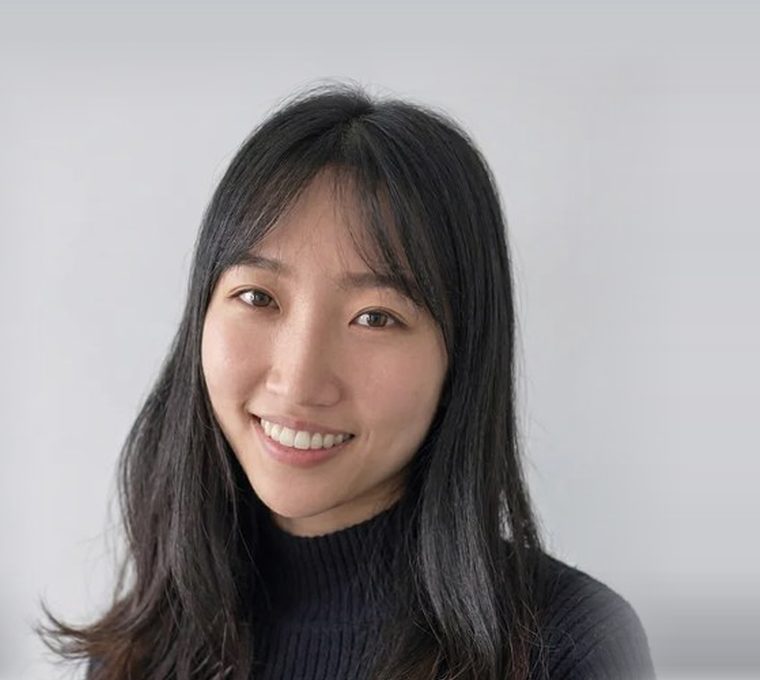
Written by Shine Yin Teoh, Certified Practising Speech Pathologist. Learn about Shine’s qualifications.
Bilingual Speech Therapy (Mandarin and English) questions
Make an enquiryShould I stop speaking Mandarin at home so my child improves faster in English?
Can you assess my child if our home language is not Mandarin or English?
My child mixes Mandarin and English in the same sentence. Is that a problem?
Do you offer adult speech therapy in Mandarin?
Related services
Back to all speech pathology services in Sydney.
Ready to get started?
No referral needed. Book a free 15-minute discovery call and we will work out whether an assessment makes sense.