
Speech Pathology · Sydney
Autism Speech Therapy Sydney
Autism speech therapy in Sydney for children needing communication, social and language support. Practical, family-centred care. Make an enquiry today.
- No referral needed
- NDIS and Medicare welcome
- Mobile across Sydney
- Funding accepted
- NDIS plan-managedNDIS self-managedMedicare CDMDVA Gold & White CardHome Care PackagePrivate pay
When autism speech therapy helps
People contact me about autism speech therapy in a lot of different situations. Some have just received a diagnosis and the NDIS plan now lists communication goals that need a speech pathologist. Some are still waiting for a diagnosis (the Sydney assessment queue is long) and want to start speech support rather than hold everything else up. Some have non-speaking or minimally speaking children and want to sort out AAC properly.
Others come from a different angle. Their autistic child uses speech fine at home but struggles in the social side of school. Their older autistic child or teenager wants support with conversations, friendships, and understanding group dynamics that feel easier for their peers. Their child has autism alongside a co-occurring intellectual disability or developmental condition. Their autistic teenager is heading toward life beyond school and needs work on the specific situations coming up: job interviews, workplace communication, catching public transport.
A free 15-minute discovery call is a low-pressure way to start. I will tell you honestly whether I am a good fit for your child’s specific situation, or whether you would be better with a different clinician.
How I work with autistic clients
Every autistic person is different, and the stereotype of autism as a single presentation is both wrong and unhelpful. Some of the children I work with are highly verbal, love talking about their specific interests in detail, and keep up with mainstream classrooms. Others are non-speaking, use AAC, and are in specialist settings. Most are somewhere in between, and the in-between is where most of the clinical thinking happens.
So the first thing I do is not pick a goal. It is understand the specific child. What do they actually want to be able to do that is hard right now? What does a good day look like for them? What do their parents or carers actually need them to be able to do? That is where the work starts.
I try hard to avoid goals that are really about making life easier for neurotypical people around the child. “Make more eye contact” is a classic example. Eye contact is usually picked as a goal because it makes the parent or teacher feel more comfortable, not because the autistic child gets any benefit. I would rather work on goals the child actually cares about: being understood when they ask for something they want, having a strategy for the school assembly that overwhelms them, using AAC confidently enough that they stop getting ignored when they try to speak for themselves.
Sensory needs get treated seriously. A session in a clinic waiting room with fluorescent lights and a lot of noise is a session that will not work for many autistic children. Home-based delivery is usually my recommendation, because the environment is already known and regulated and the child does not have to spend energy just managing the room. For school sessions, I negotiate with staff for a quieter space.
For non-speaking or minimally speaking children, AAC is usually part of the picture. I am not precious about which kind. High-tech speech-generating iPads, low-tech picture boards, key word sign, gesture. All of it counts. The goal is reliable communication access. Speech itself is not the point; being heard is.
Co-occurring conditions come up often. I work with children who have autism alongside intellectual disability, Down syndrome, cerebral palsy, or other developmental conditions. Each profile shifts the approach. I do not run a generic autism protocol that ignores the rest of what is going on.
Social communication and older children
Social communication is usually where support gets requested most for school-age autistic children and teenagers. That covers understanding what people mean beyond the literal words (sarcasm, hints, group jokes), joining conversations without being either shut out or shutting down, handling disagreements, making and keeping friends, and surviving group work at school.
My approach is to build real skills the child actually wants, not to train them to mask autistic traits so neurotypical peers find them more comfortable. Generic “social skills” group drills tend not to transfer, because the child learns what to do in the drill but the drill never looks like the actual situations at school. So I work on the specific scenarios the child finds hard, using their own examples. For teenagers, goals often shift toward specific life situations that are coming up: getting through a job interview, meeting new classmates at the start of Year 11, handling a falling-out with a friend without the whole friendship group turning on you.
Autism speech therapy across Sydney
I work across the Inner West, St George, Canterbury-Bankstown, and Eastern Suburbs, based in Arncliffe. Common session areas include Tempe, Rockdale, Hurstville, Bankstown, Marrickville, Bexley, Kogarah, and Burwood. Telehealth is available for families outside this area, and works well for many older autistic children and teenagers who prefer video over in-person sessions.
School-based sessions can be arranged at mainstream primary schools, high schools, and specialist settings.
Bilingual sessions are available in English and Mandarin. For autistic children from bilingual families, assessing and supporting both languages is standard practice and produces more accurate results than English-only work.
What to expect when you book
Funding: NDIS (plan-managed and self-managed), Medicare CDM plans (with GP referral), and private pay. Full funding list at speech pathology services Sydney.
Why autistic children and their families choose Shine and Speak
Autism speech therapy across Sydney
Neurodiversity-affirming. Home, school, and telehealth sessions for children and teenagers.
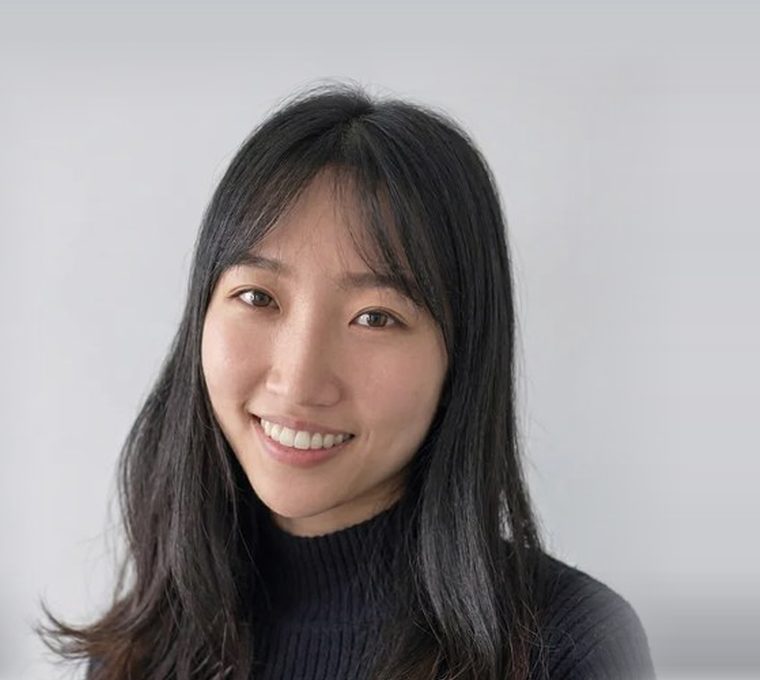
Written by Shine Yin Teoh, Certified Practising Speech Pathologist. Learn about Shine’s qualifications.
Autism Speech Therapy questions
Make an enquiryDo you make children “more neurotypical”?
My child is non-speaking. Can speech therapy help?
My child is awaiting an autism diagnosis. Can we start now?
Do you work with autistic teenagers?
Related services
Back to all speech pathology services in Sydney.
Ready to get started?
No referral needed. Book a free 15-minute discovery call and we will work out whether an assessment makes sense.