
Adult Speech Pathology · Sydney
Stroke Speech Therapy in Sydney
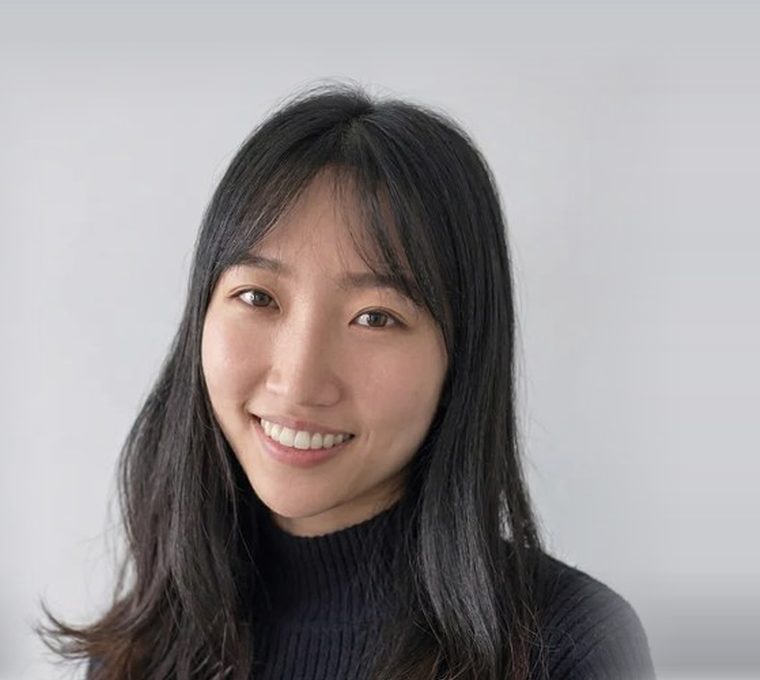
I'm Shine, a Certified Practising Speech Pathologist based in Arncliffe. After a stroke, I help adults find their words again, speak more clearly and get back to the conversations that matter to them. I come to your home anywhere within 30 km of Arncliffe, or we work by video.
- No referral needed
- Home visits or telehealth
- English and Mandarin
- Funding accepted
- NDIS plan-managedNDIS self-managedMedicare CDMDVA Gold & White CardHome Care PackagePrivate pay
What does a speech pathologist do after a stroke?
A stroke can change how a person talks, understands, reads and writes. A speech pathologist is a university-trained health professional who assesses those changes and runs therapy to rebuild them. My job is to find out exactly what has changed, then work on the things you want back: talking with family, making a phone call, ordering at the shops, going back to work.
I set goals around real life, not test scores. If you want to tell your grandchildren a story again, that becomes the goal, and every session works towards it.
How can a stroke change speech and language?
Three different problems often show up together after a stroke. Each one needs its own kind of therapy, so the first step is working out which ones are there.
- Aphasia is trouble with language: finding words, understanding what people say, reading and writing. The person knows what they want to say, but the words will not come or come out wrong.
- Dysarthria is slurred or unclear speech. The muscles that move the lips, tongue and voice are weaker or slower, so speech is hard to understand.
- Cognitive-communication difficulty is trouble with the thinking skills behind talking: memory, attention, following a conversation and organising what to say.
The Stroke Foundation's communication after stroke fact sheet explains these changes for families. I work on all three. You can read more about the wider range of adult work on my adult speech therapy page.
When should speech therapy start after a stroke?
As soon as the person is medically stable. Australia's clinical guidelines for stroke management recommend speech and language therapy for people with aphasia, and earlier therapy gives the best chance of the biggest gains.
Starting late is still worth it. The brain keeps the ability to rewire itself long after the hospital stay, and adults make real progress months and years after a stroke. If rehab finished and words are still a struggle, an assessment shows where things stand today. For what recovery tends to look like over time, read how long speech therapy takes after a stroke.
What happens when you book?
- A free 15-minute phone call. A family member can make the call. I listen to what has happened and tell you honestly whether an assessment makes sense.
- Assessment at home. One to two sessions of formal tests and everyday tasks, then a written report with the results and the goals I recommend.
- A therapy plan. Clear goals, how often we meet and when we review progress, written in plain English.
- Regular sessions. Progress notes after every visit and a review every 10 to 12 sessions. I share reports with your GP or treating team when you ask.
Family members and carers are welcome in every session, and for aphasia I recommend it. The people at home are the ones the person talks to every day, so the strategies they learn between visits matter as much as the sessions themselves.
Where do sessions happen?
In your home. Practice happens in the place the person actually needs to talk: at the kitchen table, on the phone, with their own family. Nobody has to arrange transport or sit in a waiting room after a stroke. I visit homes across the Inner West, St George and Canterbury-Bankstown, and travel inside 30 km of Arncliffe is part of the session rate. See how home visits work.
By video. Telehealth sessions work well for many adults once the first assessment is done, and they suit families who live further away anywhere in New South Wales.
In English, Mandarin or both. I speak English and Mandarin, so I can assess and treat in whichever language the person and their family use at home.
How can stroke speech therapy be paid for?
You can book directly, with no referral. These are the ways adults I see usually pay for therapy:
- Medicare. With a GP referral under a Chronic Disease Management plan, a rebate applies to up to five allied health sessions a year. How Medicare speech therapy works.
- Home Care Package. Speech pathology can be funded through the package, and I work with the care coordinator. Home Care Package speech therapy.
- DVA. Gold and White Card holders, billed directly to DVA with no gap. DVA speech therapy.
- NDIS. Plan-managed and self-managed participants. NDIS speech therapy.
- Private health insurance or private pay. Rebates depend on your level of extras cover.
Speech therapy after stroke questions
Make an enquiryDo I need a referral for speech therapy after a stroke?
Can speech therapy still help years after a stroke?
Can a family member join the sessions?
Do you see people who speak Mandarin?
How do I get started?
Where is Shine and Speak based?
Shine and Speak is based at 213 Princes Hwy, Arncliffe. I travel to adults in their homes across southern and inner western Sydney.
Related services
Back to all speech pathology services in Sydney, or see Shine and Speak's home page.
Ready to get started?
No referral needed. Book a free 15-minute discovery call and we will work out whether an assessment makes sense.