
Children's Speech Pathology · Sydney
Receptive Language Therapy Sydney
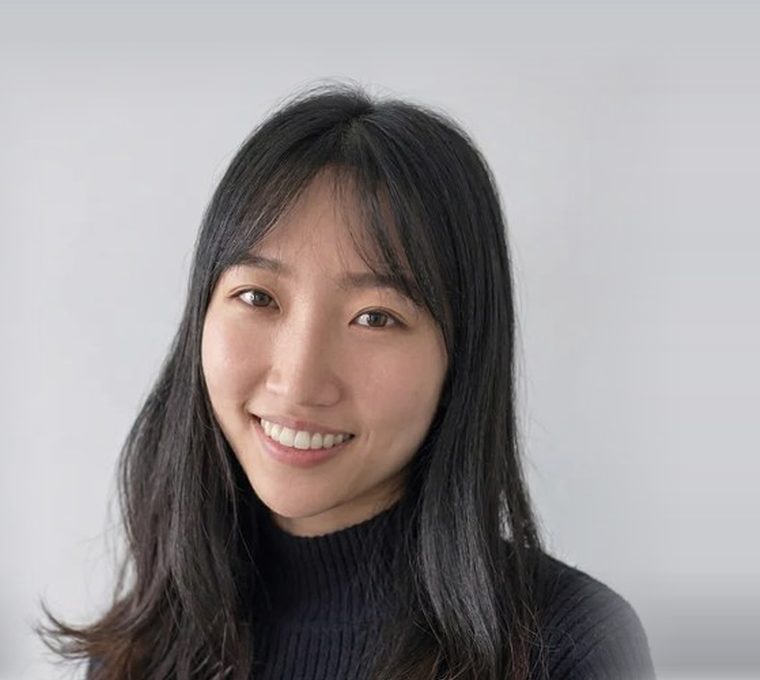
I'm Shine, a Certified Practising Speech Pathologist based in Arncliffe. Receptive language is understanding: following instructions, answering questions and making sense of stories and lessons. I help children who miss more than they let on, at home, at school or by video, in English, Mandarin or both.
- No referral needed
- Home, school or video
- English and Mandarin
- Funding accepted
- NDIS plan-managedNDIS self-managedMedicare CDMDVA Gold & White CardHome Care PackagePrivate pay
What is receptive language?
Receptive language is how a person makes sense of what others say. It includes knowing what words mean, following instructions with more than one step, making sense of question words such as who, where and why, and keeping track of a story or a lesson as it unfolds.
Children with receptive language difficulties hear perfectly well. The trouble is processing the meaning, especially when sentences are long, fast or full of new words. Many cope by watching other children and copying them, so the difficulty can stay hidden for years.
What are the signs of a receptive language difficulty?
- Following familiar routines well, but getting lost with a new or longer instruction.
- Answering a different question from the one you asked, such as saying "yes" to a "where" question.
- Repeating your question back instead of answering it.
- Saying "what?" or "huh?" often, or waiting to see what others do first.
- Struggling with concept words like before, after, under, behind, more and less.
- Losing the thread of a story, a TV show or a class discussion.
At school these signs are easy to mistake for not listening, daydreaming or poor behaviour. A child who does not understand the task often looks like a child who will not do it.
What should be checked before receptive language therapy?
A hearing test comes first, because even mild or fluctuating hearing loss affects understanding. Your GP can arrange it. After that, my assessment looks at vocabulary, sentence understanding, following directions and listening to longer passages, in both languages for bilingual children.
Receptive difficulties often sit alongside trouble with talking. If your child also finds it hard to put ideas into words, the expressive language page covers that side. Receptive language difficulties are also part of developmental language disorder; RADLD explains DLD for families in plain language.
How does receptive language therapy help?
Therapy builds understanding step by step and gives the child tools for when they do not understand:
- Concept teaching. Hands-on games for words like first, last, between and except, until the child uses them in everyday life.
- Instruction games. Following directions that grow from one step to three, with pictures that fade out over time.
- Question types. Learning what each question word is asking for: a person, a place, a time or a reason.
- Story understanding. Listening to a short story, then sequencing pictures and predicting what happens next.
- Asking for help. Practising lines such as "can you say that again?" and "what does that word mean?", so the child can fix the gap themselves.
This is part of my wider language therapy across Sydney. For a general overview of what speech therapy involves, see healthdirect.
How can I help my child understand at home?
Small changes in how adults talk make a big difference:
- Get your child's attention before giving an instruction, using their name first.
- Give one or two steps at a time, in the order they should happen.
- Show as well as tell: point, gesture, or use a picture schedule for routines.
- Check understanding by asking your child to tell you the plan, rather than asking "do you understand?".
- Read together and pause to talk about what happened and why.
With your consent, I share the same strategies with teachers, because classroom instructions are often long and fast. Public schools can add adjustments through their learning support team; the NSW Department of Education sets out how that works. For Mandarin-speaking families, I coach in Mandarin, so strategies fit the way you already talk at home.
Who can fund receptive language therapy?
You can book directly. Common funding routes are:
- An NDIS speech pathology budget, plan-managed or self-managed.
- A GP Chronic Disease Management plan with a Medicare allied health rebate for up to five sessions a year.
- Private health extras, or private fees.
Receptive language questions
Make an enquiryIs a receptive language difficulty a sign of autism?
Is it the same as auditory processing disorder?
Why does my child understand at home but not at school?
Can receptive language therapy happen at school?
Do you offer this in Mandarin?
Where is Shine and Speak based?
Shine and Speak is based at 213 Princes Hwy, Arncliffe. I work with children at home and at school across southern and inner western Sydney, and by video.
Related services
Back to all speech pathology services in Sydney, or see Shine and Speak's home page.
Ready to get started?
No referral needed. Book a free 15-minute discovery call and we will work out whether an assessment makes sense.