
Children's Speech Pathology · Sydney
Expressive Language Therapy Sydney
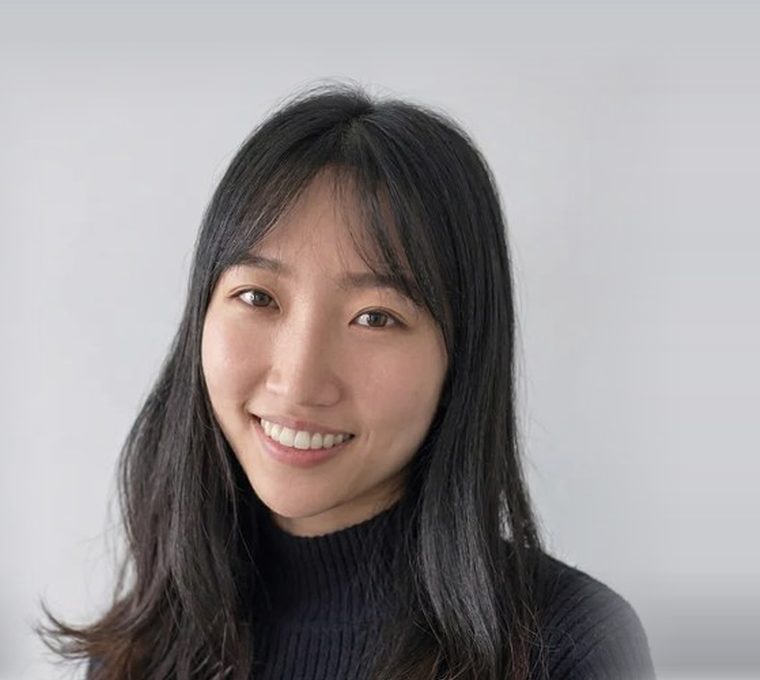
I'm Shine, a Certified Practising Speech Pathologist based in Arncliffe. Expressive language is how a child turns thoughts into words: naming things, building sentences, asking questions and telling you what happened. I help children and teenagers say what they mean, at home, at school or by video, in English, Mandarin or both.
- No referral needed
- Home, school or video
- English and Mandarin
- Funding accepted
- NDIS plan-managedNDIS self-managedMedicare CDMDVA Gold & White CardHome Care PackagePrivate pay
What is expressive language?
Expressive language is the words and sentences a person uses to share ideas. It covers vocabulary, grammar (the small words and word endings that hold a sentence together), putting sentences in order, and telling a story or explaining something so the listener can follow.
It is different from speech, which is about saying sounds clearly. A child can pronounce every sound perfectly and still say "me go park yesterday and fall", because the language behind the sounds is still developing. Expressive language therapy works on that layer.
What are the signs of an expressive language difficulty?
The signs shift with age:
- Preschool: short sentences for their age, missing little words such as "is" and "the", mixing up he and she, or saying "that thing" instead of a name.
- Early school: trouble retelling the day in order, news that is hard to follow, or answers that stop after a few words.
- Older children: writing that is far behind their ideas, because written work leans on the same sentence skills.
- Teenagers: trouble explaining their reasoning in class, giving a talk, or getting a point across in an argument with friends.
Understanding can be fine while talking lags behind, or both can be harder. My assessment checks both, because the plan changes depending on the answer. For the understanding side, see receptive language therapy.
What causes expressive language difficulties?
Often there is no single cause. Some children were late talkers who have not quite caught up. Others have developmental language disorder (DLD), which affects around one child in fourteen, roughly two in every classroom. RADLD, the international DLD awareness group, has short videos that explain it well.
Expressive language difficulties also come alongside autism, ADHD, hearing loss and intellectual disability. They are not caused by parenting, and learning two languages does not cause them either. What matters is finding out where the gaps are and working on them early, before school demands climb.
How does expressive language therapy work?
Sessions are active and built around what the child cares about, whether that is dinosaurs, football or a favourite show. Common techniques include:
- Recasting. When a child says "he runned", I reply "yes, he ran so fast", modelling the correct form without stopping the conversation.
- Sentence building. Colour-coded cards for who, doing what, where and when, so a child can see how a sentence fits together.
- Word webs. Linking a new word to its sound, meaning, category and use, so it sticks.
- Story frames. Who was there, where it happened, what went wrong and how it ended, used for retelling a weekend or planning a piece of writing.
- Real practice. Rehearsing news for class, ordering at a café, or explaining a game to a sibling.
Expressive language therapy is one part of my language therapy for Sydney children, which also covers language delay, DLD and literacy links. For a plain overview of speech pathology, see healthdirect on speech therapy.
How does expressive language affect learning at school?
Classrooms run on talk and writing. A child who struggles to put ideas into words may know the answer and still not say it, avoid putting up their hand, or hand in writing that undersells what they know. Teachers sometimes read this as shyness or low effort.
With your consent, I can talk with the teacher and the school's learning support team (the NSW Department of Education explains how schools support students with disability and learning needs), share simple strategies such as giving thinking time and accepting drawn plans before writing, and visit the school for sessions where it agrees.
For bilingual families, I assess in English and Mandarin. A child who says little in English but plenty in Mandarin is usually learning a second language, not delayed. For everyday ideas to try at home, the Hanen Centre has free articles for parents.
How can expressive language therapy be funded?
No referral is needed. Families usually pay through:
- A plan-managed or self-managed NDIS plan.
- A GP care plan with a Medicare rebate for speech pathology, for up to five sessions a year.
- Private health insurance extras, or private fees.
Expressive language questions
Make an enquiryIs an expressive language disorder the same as DLD?
Can a child speak clearly but still have an expressive language problem?
Will my child grow out of it?
Do you see teenagers for expressive language?
Can sessions be held at my child's school?
Where is Shine and Speak based?
Shine and Speak is based at 213 Princes Hwy, Arncliffe. I see children and teenagers at home and at school across the Inner West, St George and Canterbury-Bankstown, and by video.
Related services
Back to all speech pathology services in Sydney, or see Shine and Speak's home page.
Ready to get started?
No referral needed. Book a free 15-minute discovery call and we will work out whether an assessment makes sense.