
Children's Speech Pathology · Sydney
Apraxia of Speech Therapy in Sydney
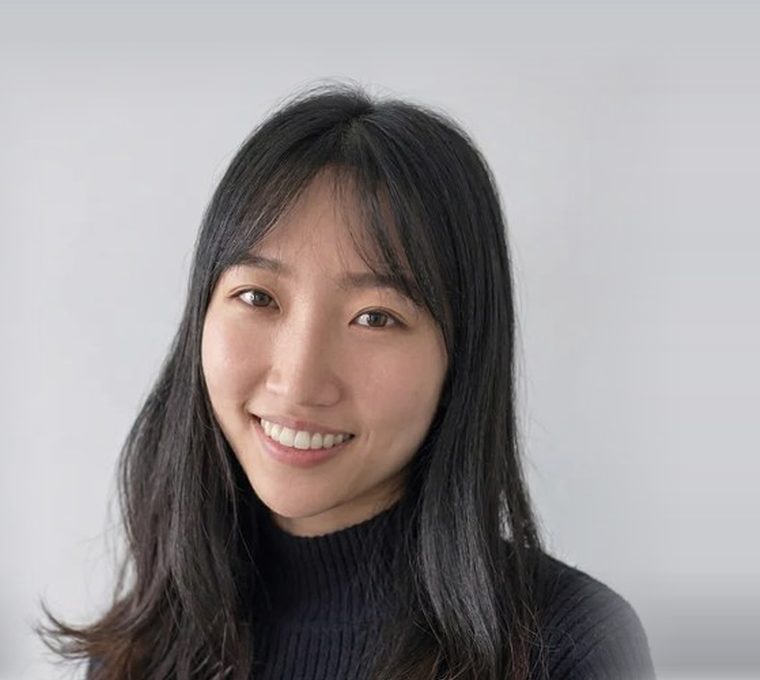
I'm Shine, a Certified Practising Speech Pathologist based in Arncliffe. Children with apraxia of speech know what they want to say, but their brain has trouble planning the movements to say it. I assess carefully, then run frequent, focused practice at home, at preschool or by video, in English or Mandarin.
- Careful assessment first
- Home, preschool or video
- English and Mandarin
- Funding accepted
- NDIS plan-managedNDIS self-managedMedicare CDMDVA Gold & White CardHome Care PackagePrivate pay
What is childhood apraxia of speech?
Childhood apraxia of speech (CAS) is a motor speech disorder. The muscles work, and the child can usually eat, smile and pull faces normally, but the brain has trouble planning and sequencing the movements of the lips, tongue and jaw for speech. The Speech Pathology Australia fact sheet on CAS describes it as rare, lifelong and very different from the common speech difficulties many children have.
That difference matters. CAS needs a different therapy approach from a typical speech sound delay, and drills that help most children with unclear speech do little for apraxia. Getting the diagnosis right comes first.
What are the signs of apraxia of speech in children?
- The same word comes out differently each time the child tries it.
- Longer words fall apart much more than short ones.
- Speech sounds choppy or slow, or the stress lands on the wrong part of a word.
- Little babbling as a baby, and first words arrive late.
- You can see the child searching for the right mouth shape before a word.
- Understanding is far ahead of talking.
Many of these signs also turn up in other speech difficulties, so a checklist cannot diagnose CAS. A speech pathologist listens to speech across several tasks and checks hearing, mouth movements and everyday communication. With a young child, it can take more than one session to be sure.
How is childhood apraxia of speech treated?
CAS therapy is built on motor learning: many practice attempts on carefully chosen syllables and words, with cues and feedback that fade as the child becomes more accurate. Research-backed programs include the Nuffield Dyspraxia Programme and ReST, a treatment developed at the University of Sydney. I choose the approach to suit the child's age and speech, and explain why.
How often matters more than how long. Research favours short, regular practice several times a week over one long weekly session. We plan a schedule your family can keep up, mixing home visits, video sessions and a few minutes of daily practice that I set up for you.
Apraxia therapy is part of my speech sound therapy for Sydney children, which also covers articulation errors and phonological delays.
How can my child communicate while their speech develops?
Waiting for clear speech is exhausting for a child with lots to say. While we work on speech, I help families add other ways to get a message across: key word signs, gestures, a picture board or a speech app on a tablet. These tools do not stop a child from talking. They lower frustration and let the child be understood today.
As your child starts preschool or school, I can share strategies with their educators. Children with CAS often find early reading and spelling harder too, so the sound work we do in therapy supports literacy as well.
Can adults have apraxia of speech?
Yes. In adults, apraxia of speech usually follows a stroke or another brain injury, and it often appears alongside aphasia. The planning difficulty is similar, but therapy is shaped around adult goals such as phone calls, work and conversation, and I see adults with apraxia at home as well.
For children growing up with Mandarin and English, I assess in both languages, so a CAS diagnosis is never based on English alone and practice words can come from the language the family speaks most.
Is childhood apraxia of speech covered by the NDIS?
CAS is a lifelong condition, and many children with a diagnosis can get NDIS funding for speech therapy. The NDIS makes that decision, not me, but a detailed assessment report helps show your child's needs. I see children on plan-managed and self-managed plans; see my NDIS speech pathology for children page. Other options:
- A GP care plan, which brings a Medicare rebate on up to five sessions a year.
- Private health insurance extras.
- Paying privately.
Apraxia of speech questions
Make an enquiryDoes childhood apraxia of speech go away?
Is apraxia of speech a sign of autism?
At what age can CAS be diagnosed?
Can apraxia therapy work by telehealth?
How much home practice does CAS need?
Where is Shine and Speak based?
Shine and Speak is based at 213 Princes Hwy, Arncliffe. I work with children with apraxia at home and at preschool across southern and inner western Sydney, and by video.
Related services
Back to all speech pathology services in Sydney, or see Shine and Speak's home page.
Ready to get started?
No referral needed. Book a free 15-minute discovery call and we will work out whether an assessment makes sense.